Qualcomm’s CEO just gave us a pretty clear picture of what to expect from Samsung’s Galaxy S26 lineup, and it’s a mixed bag.
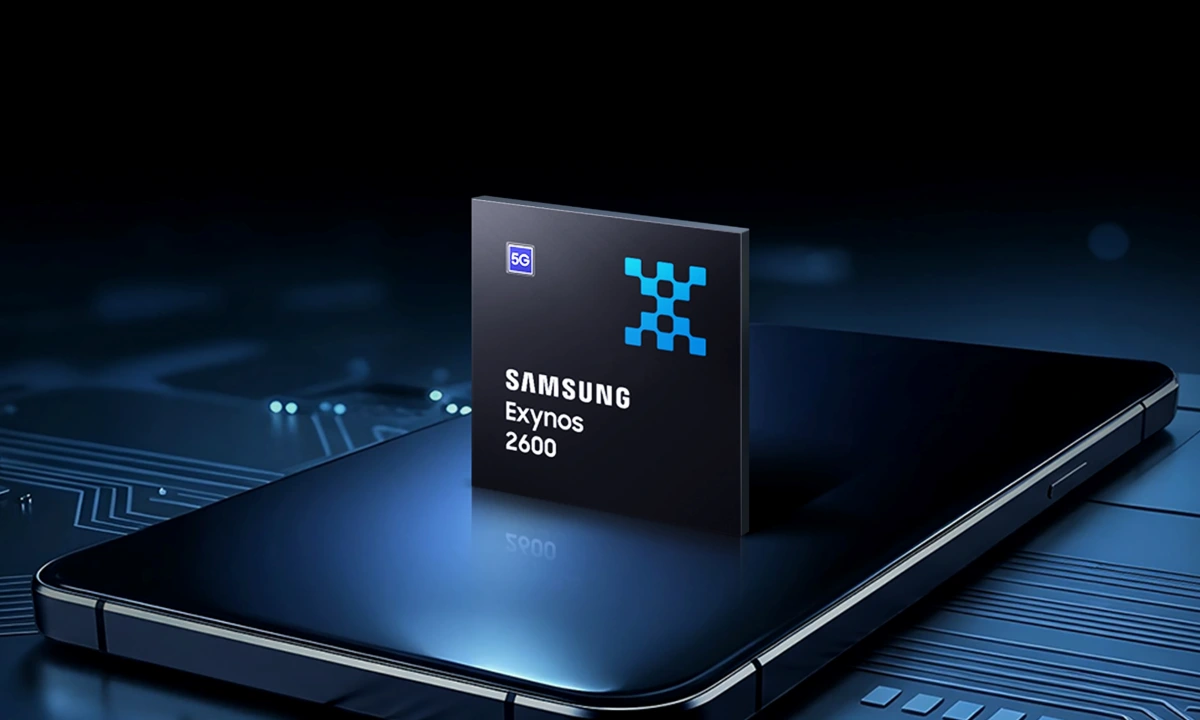
At CES 2026, Cristiano Amon confirmed what many suspected: Qualcomm will continue to dominate the chipset game for Samsung’s flagship phones, even as the company pushes ahead with its own Exynos processors. The Galaxy S26 Ultra will run on the Snapdragon 8 Elite Gen 5 worldwide, while the standard S26 and S26+ will stick with the familiar split—Snapdragon in most markets, Exynos 2600 in select regions.
Nothing shocking there. But Amon’s comments revealed something more interesting: Samsung’s Exynos push won’t actually change much when it comes to market share. Qualcomm expects to maintain a 75% share of chipsets in Samsung’s premium phones, which suggests the Exynos 2600 will only appear in a limited number of markets.
Translation: most people buying a Galaxy S26 will still get a Snapdragon chip.
The 2nm Fabrication Twist
Here’s where things get more technical—and potentially more significant. Amon mentioned that Qualcomm is in discussions with Samsung to manufacture the Snapdragon 8 Elite Gen 5 on Samsung’s 2nm fabrication process. That’s a big deal, both for Qualcomm and Samsung.
For Qualcomm, it diversifies their manufacturing options beyond TSMC, which currently produces most of their high-end chips. For Samsung, it’s a chance to prove its foundry business can compete at the cutting edge, especially after years of playing second fiddle to TSMC in process technology.
If Samsung lands this deal, it would be a vote of confidence in their manufacturing capabilities. But it also raises questions about why Samsung would use its own Exynos chips at all if Qualcomm trusts them to build Snapdragon processors.
Why Samsung Still Won’t Ditch Exynos Entirely
Samsung has been dancing around the Exynos-versus-Snapdragon debate for years. The company wants to reduce dependency on Qualcomm for both cost control and strategic reasons. Building your own chips gives you more leverage in negotiations and more control over your supply chain.
But the reality is that Snapdragon chips have consistently outperformed Exynos in real-world use, especially in areas like power efficiency and thermal management. Samsung knows this, which is why the Ultra model—the one that actually matters to enthusiasts and reviewers—will get the Snapdragon treatment globally.
Amon’s comment about “premium phones experiencing high growth” confirms what Samsung has already figured out: flagship buyers care about performance, and they’re willing to pay for it. That 75% Qualcomm market share isn’t an accident—it’s a reflection of where demand actually sits.
The Price Increase Nobody Asked For
Now for the bad news. Samsung is reportedly planning to launch the Galaxy S26 series at a higher price than the S25 lineup, despite what insiders are describing as “minimal hardware upgrades.”
This is where Samsung’s strategy starts to look questionable. A new chipset and some iterative camera improvements don’t usually justify a price bump, especially when competitors are offering more aggressive specs at similar or lower price points. If the S26 series really does arrive with modest upgrades and a higher sticker price, Samsung will have a tough time making that case to buyers.
The company can get away with premium pricing when it’s delivering something meaningful. But asking people to pay more for incremental changes feels like testing the limits of brand loyalty.
What This Means for Buyers
If you’re eyeing the Galaxy S26 Ultra, the chipset situation is straightforward: you’re getting Snapdragon 8 Elite Gen 5 no matter where you are. That’s good news, and it eliminates the usual uncertainty about which version you’ll end up with based on your region.
For the S26 and S26+, the picture is murkier. Most markets will get Snapdragon, but if you’re in a region where Samsung tends to deploy Exynos chips—parts of Europe, the Middle East, and Asia—you’ll want to confirm which variant you’re actually buying before committing.
The price increase is harder to justify. Unless Samsung has some surprise features up its sleeve, paying more for marginal improvements doesn’t make much sense when last year’s model will likely drop in price once the new lineup launches.
Samsung’s Tightrope Walk
Samsung is trying to balance a lot here: keeping Qualcomm happy, proving its own chip-making credentials, maintaining profit margins, and convincing buyers that incremental upgrades are worth a premium. It’s a tough act to pull off.
The chipset arrangement seems like a reasonable compromise—enough Snapdragon to keep performance-focused buyers satisfied, enough Exynos to maintain Samsung’s long-term chip ambitions. But the pricing strategy could backfire if the hardware doesn’t deliver enough to justify the extra cost.
We’ll know soon enough whether Samsung can make this work, or whether buyers will start looking elsewhere for better value.