News
Galaxy S26 Series Complete Specifications Leak Pre-Launch

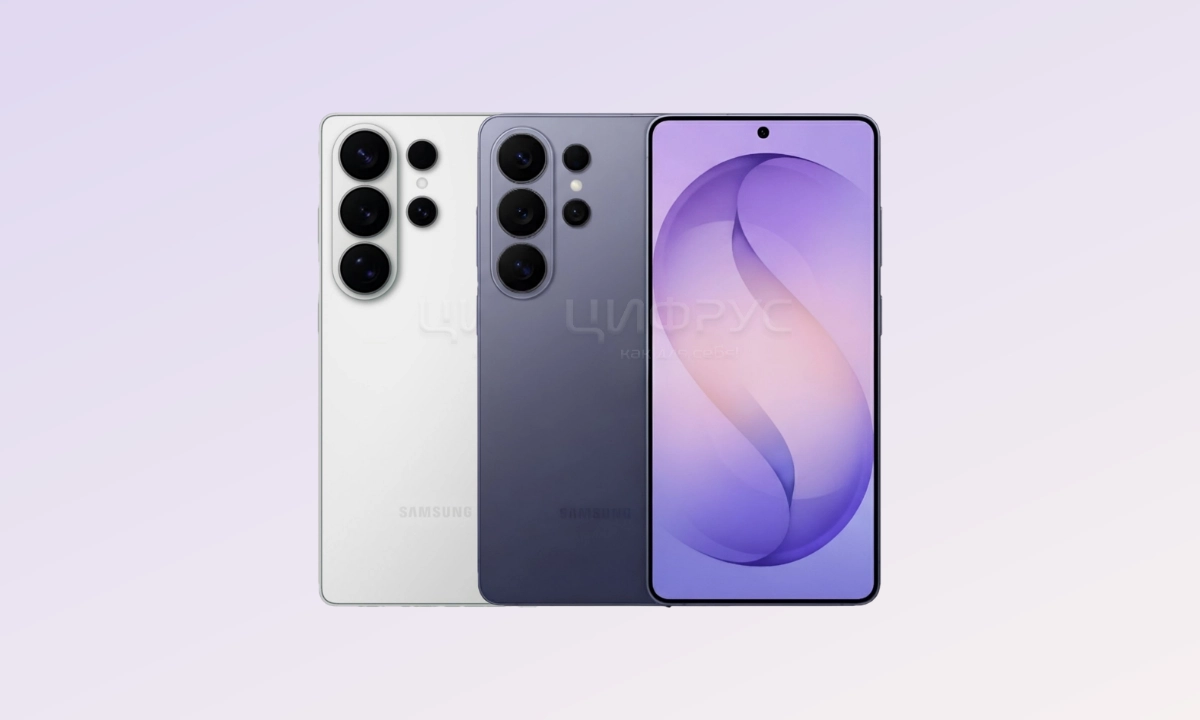
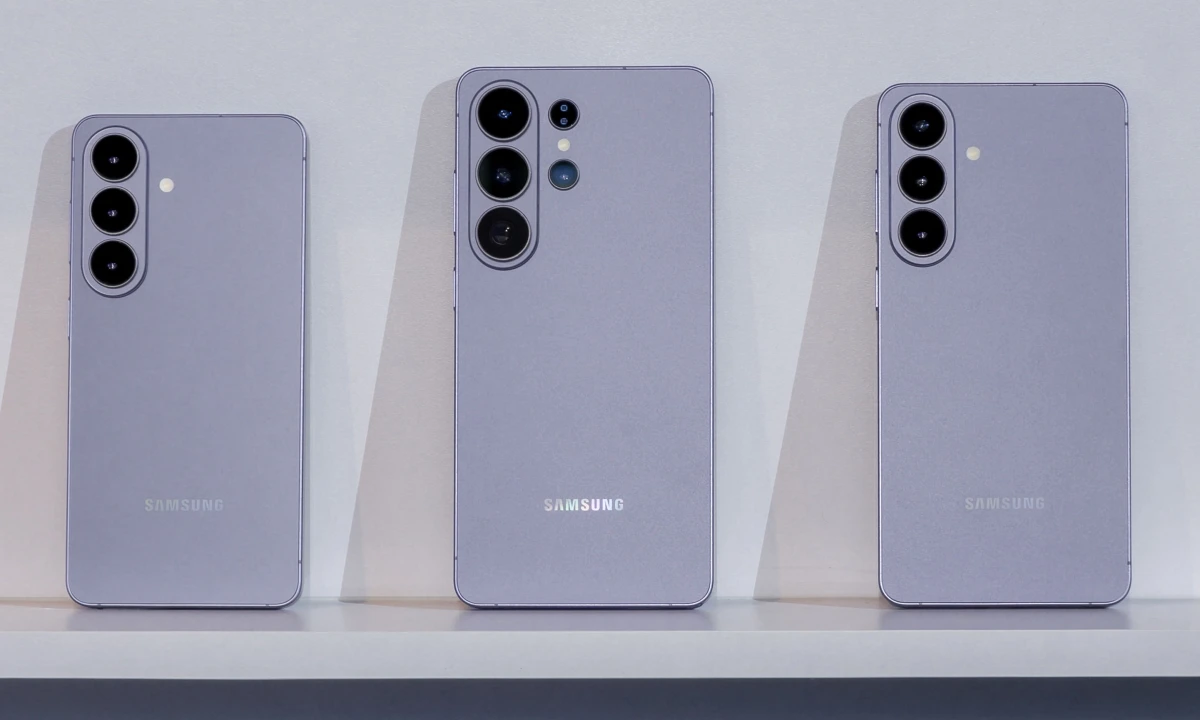
Samsung’s February 25 launch is nearly here, and a comprehensive leak from WinFuture has essentially blown the lid off what’s coming. The Galaxy S26 lineup looks less like a reinvention and more like careful refinement, which might frustrate those hoping for bigger leaps.
The processor split remains awkward. Europe gets the Exynos 2600 in the base S26 and S26 Plus, while the Ultra runs Qualcomm’s Snapdragon 8 Elite. This two-tier approach has been divisive before, and it’s unclear whether Samsung has finally closed the performance gap or if buyers in certain regions are still getting the short end.
The base and Plus models stick with familiar sensors but see aperture reductions on the telephoto and ultrawide lenses. That’s a step backward on paper. The Ultra goes the opposite direction with wider apertures across the board, suggesting better low-light capability, but the overall setup isn’t dramatically different from the S25 Ultra.
Battery sizes are nearly identical to last year, with only the base model seeing a modest bump to 4,300mAh. Samsung is clearly banking on software optimization rather than raw capacity, which works until you compare it to competitors offering 5,500mAh or more.
The dual SIM setup is another point of friction. The Ultra gets two physical nano-SIM slots in Europe, while the base and Plus models force users into eSIM for the second slot. It’s a small but annoying limitation for international travelers or those juggling work and personal lines.
One UI 8.5 out of the box is expected, and the Galaxy Buds 4 series could launch alongside the phones. The S26 series feels like Samsung playing it safe, which might be enough for existing users but won’t turn many heads.
| Model | Galaxy S26 | Galaxy S26+ | Galaxy S26 Ultra |
|---|---|---|---|
| Display | 6.3-inch, Dynamic AMOLED 2X, 2340 x 1080 pixels, 120 Hz, Corning Gorilla Armor 2 | 6.7-inch, Dynamic AMOLED 2X, 3120 x 1440 pixels, 120 Hz, Corning Gorilla Armor 2 | 6.9-inch, Dynamic AMOLED 2X, 3120 x 1440 pixels, 120 Hz, Corning Gorilla Armor 2 |
| Software | OneUI 8.5 / Android 16 | ||
| Chipset | Exynos 2600 Deca-Core CPU; 1x C1-Ultra 3.9 GHz, 3x C1-Prox 3.25 GHz, 6x C1-Prox 2.75 GHz | Qualcomm Snapdragon 8 Elite Gen 5 Octa-Core CPU; 2x 4.74 GHz Oryon V3 Phoenix L + 6x 3.62 GHz Oryon V3 Phoenix M | |
| Memory | 12 GB; 256/512 GB | 12/16 GB; 256/512/1024 GB | |
| Main Camera | Triple Cam 1st Camera 50 MP Wide Angle, f/1.8, 24mm, 1/1.56″, 1.0µm, Dual-Pixel PDAF, OIS 2nd Camera 10 MP Telephoto, f/2.4, 67mm, 1/3.94″, 1.0µm, PDAF, OIS, 3x Optical Zoom 3rd Camera 12 MP Ultra Wide Angle, f/2.2, 13mm, 120°, 1/2.55″ 1.4µm, Super Steady Video |
Quad-Cam 1st Camera 200 MP Wide Angle, f/1.4, 24mm (wide), 1/1.3″, 0.6µm, Multidirectional PDAF, OIS 2nd Camera 50 MP Periscope Telephoto, f/2.8, 111mm, 1/2.52″, 0.7µm, PDAF, OIS, 5x Optical Zoom 3rd Camera 50 MP Ultra Wide Angle, f/1.9, 120°, 1/2.5″, 0.7µm, Dual-Pixel PDAF, Super Steady Video 4th Camera 10 MP Telephoto, 1/3.94″, PDAF, OIS, 3x optical zoom |
|
| Features | Panorama, Portrait, 8K@24/30fps, 4K@30/60fps, 1080p@30/60/120/240fps, 10-bit HDR, HDR10+, Stereo Sound, Gyro-EIS | ||
| Front Camera | 12 MP wide-angle, f/2.2, 26mm, 1/3.2″, 1.12µm, dual-pixel PDAF, HDR, 4K@30/60fps, 1080p@30fps | ||
| Sensors | Gyroscope, E-compass, Accelerometer, Barometer, Fingerprint Sensor, Proximity Sensor | ||
| Satellite | GLONASS, GPS, Galileo, QZSS, BDS | ||
| Dual SIM | Yes, Nano/eSIM | Yes, Nano/Nano/eSIM | |
| Features | 5G, USB-C, NFC, Wi-Fi 7 (be), Bluetooth 5.4, Face ID, Stereo | ||
| Battery | 4300 mAh Li-ion, wireless charging, fast charging 25 watts | 4900 mAh Li-ion, wireless charging, fast charging 45 watts | 5000 mAh Li-ion, wireless charging, fast charging 60 watts |
| Dimensions | 149.6 x 71.7 x 7.2 mm | 158.4 x 75.8 x 7.3 mm | 163.6 x 78.1 x 7.9 mm |
| Weight | 167 g | ~190 g | 214 g |
| Colors | White, Blue, Black, Purple | ||
| Prices | from 999 Euro | from 1269 Euro | from 1469 Euro |