News
Samsung’s Galaxy S26 May Cost More — And This Time, No One Can Stop It


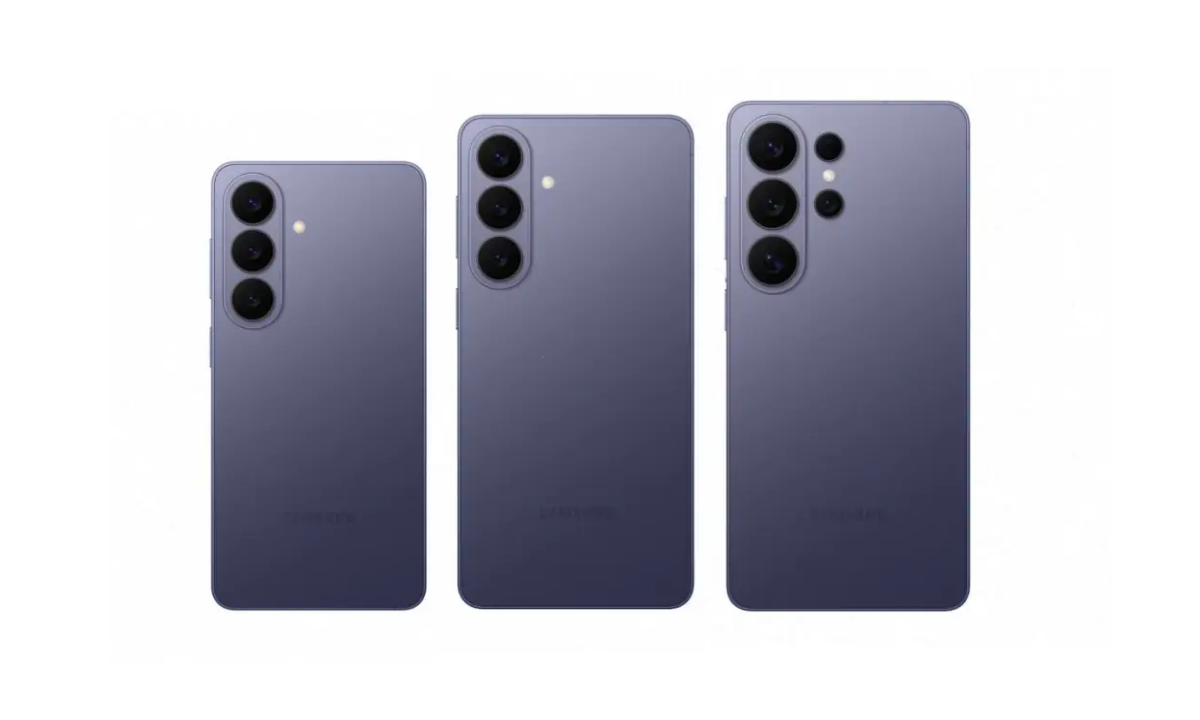
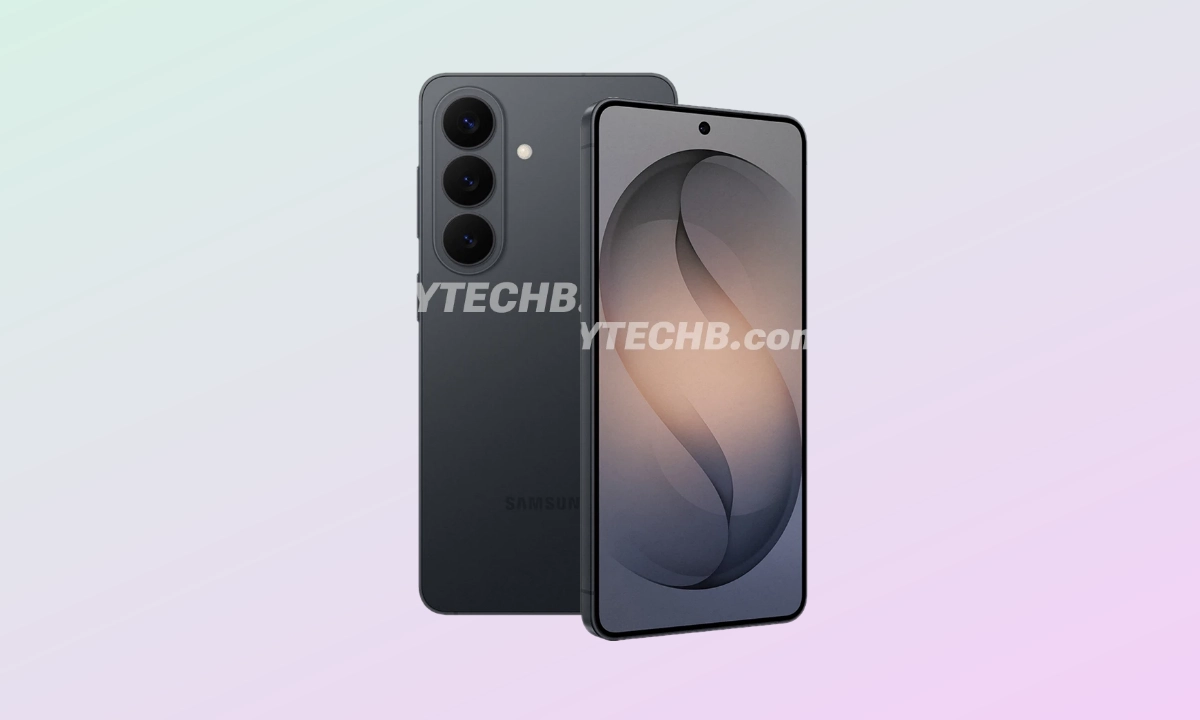
Last year, Samsung’s mobile chief Roh Tae-Moon personally intervened to keep Galaxy S25 prices flat. He reportedly agonized over the decision, but ultimately chose to protect consumers from a price hike. That restraint may not be possible with the S26.
According to Korean newspaper Chosun, rising memory chip costs have made a repeat of that decision economically unworkable. DRAM and internal storage represent a substantial slice of what it costs to build a premium device, and those costs have climbed enough that Samsung can no longer quietly absorb the difference. The company sits in an unusual position here: it manufactures these chips and uses them in its own phones, but market dynamics are apparently overriding any internal flexibility.
No official numbers have been confirmed, and Samsung hasn’t made a formal statement. But the internal signals pointing toward a price increase appear consistent.
To soften the blow, Samsung is reportedly considering offering double the base storage at no extra charge. It’s a familiar move in the industry, one that shifts the conversation from “this costs more” to “you’re getting more.” It can work on perception, even if the sticker price still climbs.
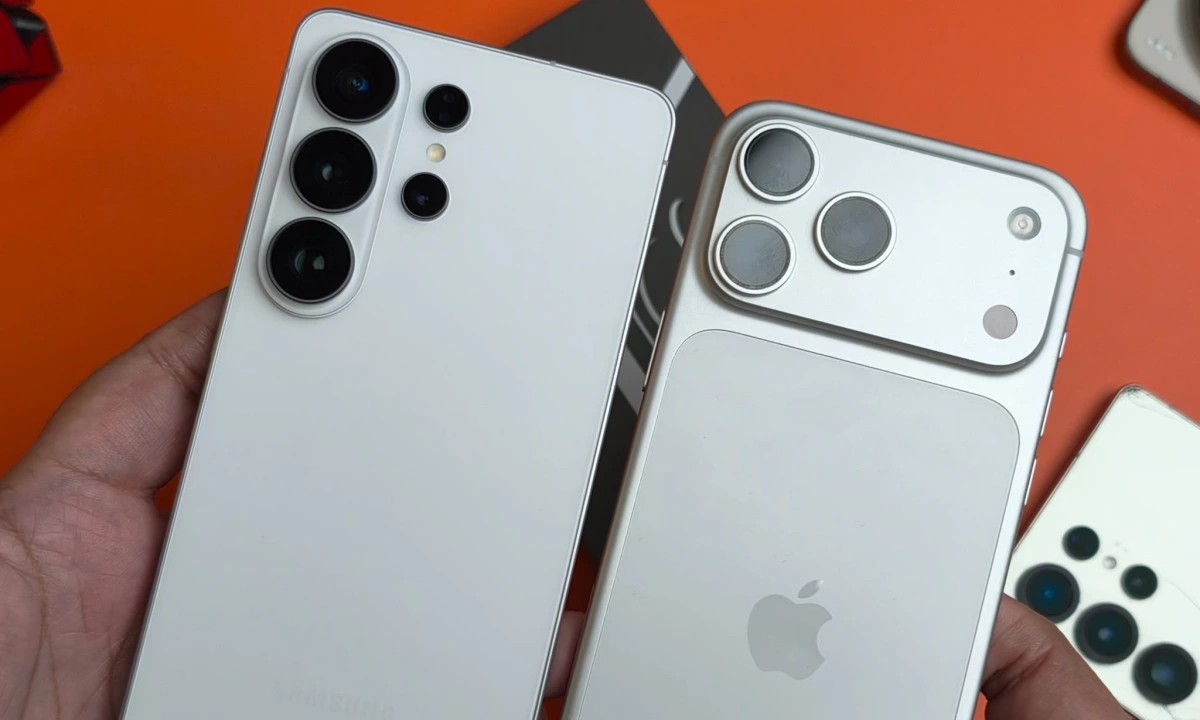
The timing creates an uncomfortable optics problem. Apple is reportedly planning to hold iPhone 18 prices steady relative to the iPhone 17. If that holds at launch, Samsung will be raising prices in the premium segment while its biggest rival stays put. That’s not just a marketing headache; it directly affects how buyers weigh their options when spending over $1,000 on a phone.
Roh is said to be acutely aware of this dynamic. Whether awareness translates into a different outcome remains to be seen.