News
Samsung’s Silent Move Could Push iPhone Prices Even Higher


Apple isn’t used to being backed into a corner by its suppliers. For years, the company has leveraged its enormous purchasing power to secure favorable terms on components. But something has shifted in the semiconductor market, and even Apple’s clout isn’t enough anymore.
Memory chip prices have surged to levels that would have seemed absurd a year ago. Samsung, one of Apple’s key suppliers for the LPDDR mobile RAM used in iPhones, reportedly raised prices by up to 80% in the first quarter of 2025. SK Hynix went even higher, close to 100%.
This isn’t a negotiation Apple can walk away from. There are only a handful of companies capable of producing high-performance mobile memory at the scale Apple needs, and right now, all of them are in the driver’s seat.
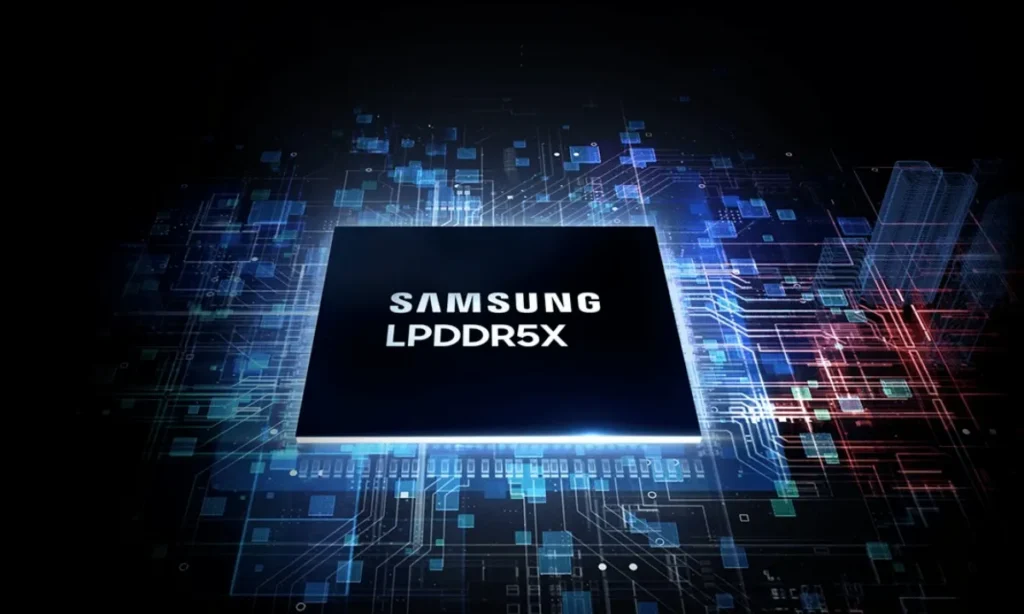
The issue isn’t just demand. AI has created a feeding frenzy for high-bandwidth memory, and smartphone makers are competing with data center operators for the same limited supply. Manufacturing capacity hasn’t kept pace.
What makes this worse is timing. Apple is ramping up for the iPhone 18 launch later this year, possibly alongside its first foldable iPhone. Both require significant memory orders, and both are landing in a market where suppliers have stopped offering the long-term pricing agreements Apple historically relied on.
Samsung and SK Hynix have reportedly only signed deals covering the first half of 2026. Apple typically locks in multi-year contracts to hedge against price swings, but chip suppliers aren’t willing to make those commitments anymore. The market is too volatile, and they have leverage they’ve never had before.