News
Samsung Galaxy S26 Series: Everything You Need to Know

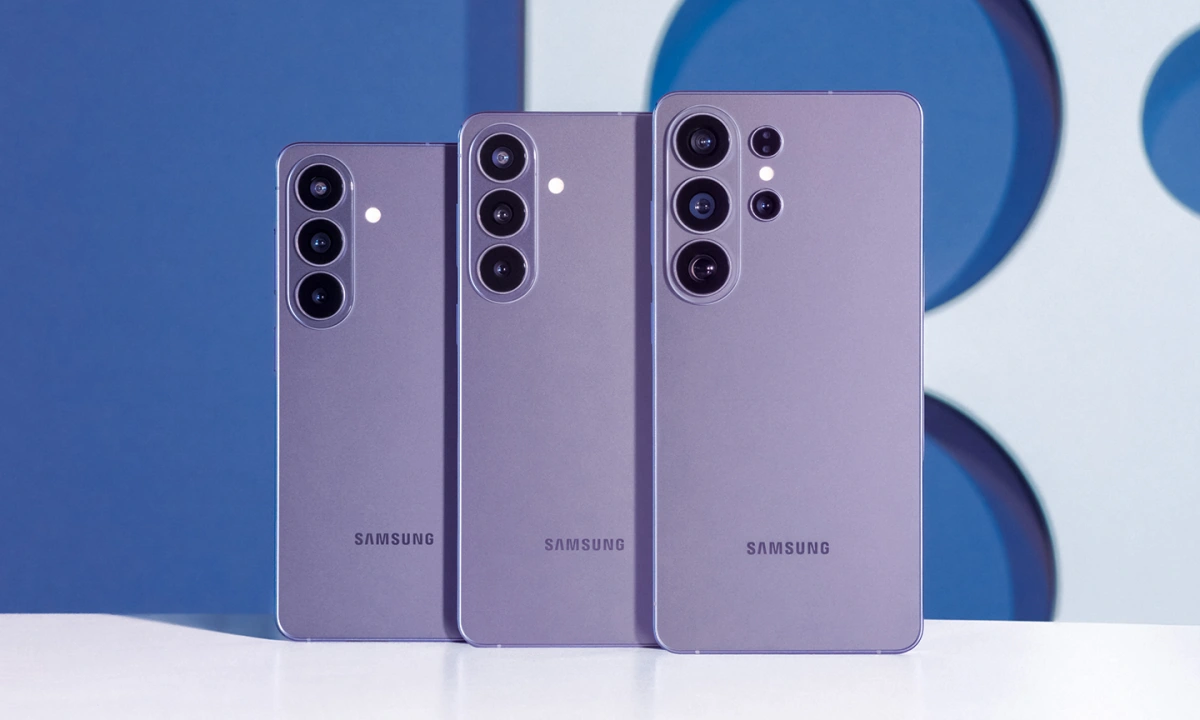
The S26, S26+, and S26 Ultra are official. Here is a complete look at specifications, AI features, design changes, and what actually matters.
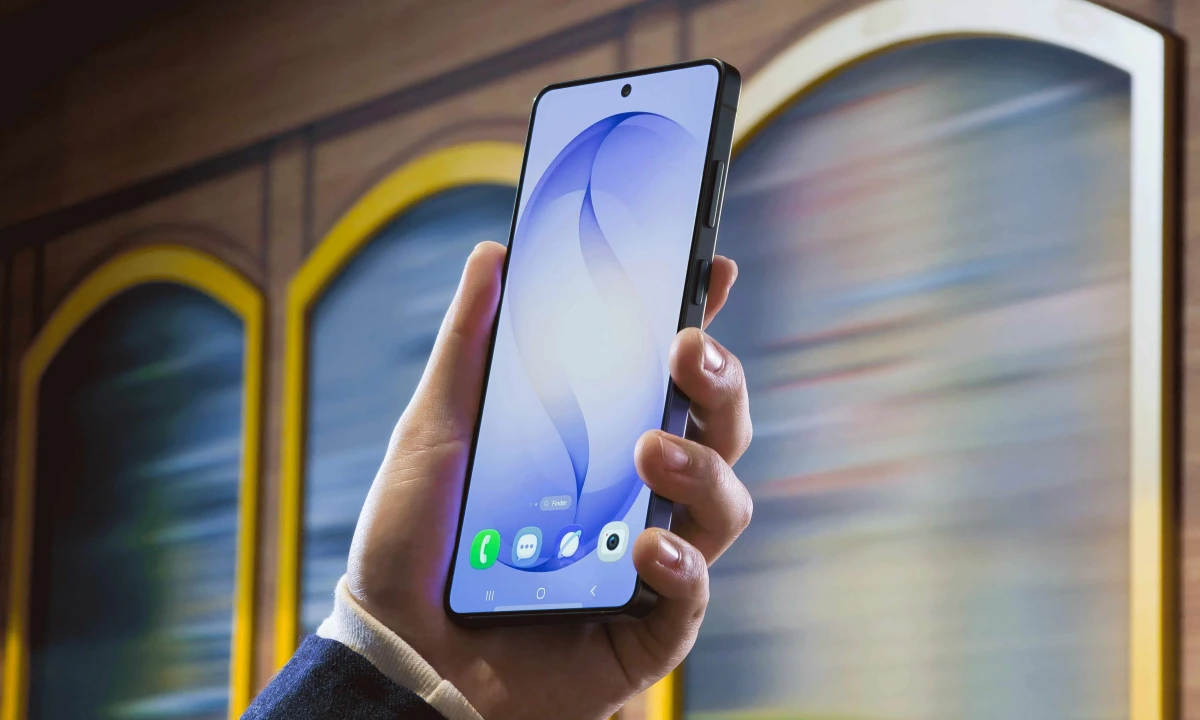
Samsung’s annual flagship cycle moves whether the world is ready or not. At Galaxy Unpacked in San Francisco, the company pulled the curtain on the Galaxy S26, Galaxy S26+, and Galaxy S26 Ultra, three devices that sit at the top of the Android market heading into 2026. The lineup runs Android 16 out of the box, ships with One UI 8.5, and leans hard into AI as a practical daily tool rather than a demo feature.
This is Samsung’s third straight generation of flagships built around Galaxy AI, and the pitch is getting sharper. The focus is less about raw specs and more about reducing the friction between what you want to do and what your phone actually does for you. Whether that plays out in daily use is something only time will tell, but the hardware and software case is the strongest it has been so far.
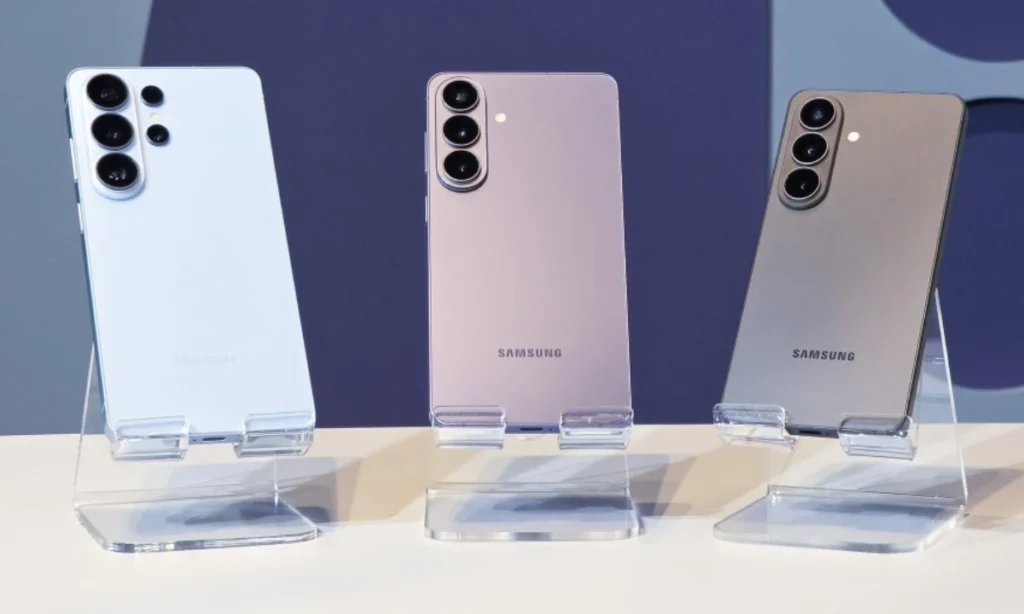
Here is a breakdown of everything announced, from the chipset split between regions, to the camera changes, AI security features, and full technical specifications.
Two Chipsets, One Lineup
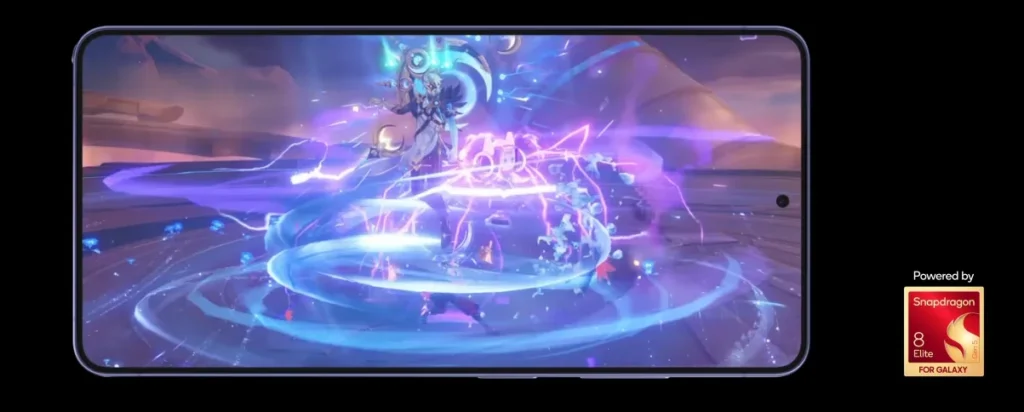
The chipset picture is more complicated than Samsung would probably like to advertise. In Europe and several other markets, the Galaxy S26 and Galaxy S26+ run on Samsung’s own 2nm Exynos 2600. The Galaxy S26 Ultra, however, gets the Qualcomm Snapdragon 8 Elite Gen 5 for Galaxy across all regions.
The Snapdragon 8 Elite Gen 5 brings meaningful numbers. Compared to its predecessor, it delivers up to a 19% CPU performance boost, a 39% improvement in NPU performance, and a 24% uplift in GPU performance. The NPU gain matters most here because Galaxy AI features increasingly run on-device, and a faster NPU means those tasks happen faster and with less battery drain.
All three models come with 12 GB of RAM as standard. The Galaxy S26 Ultra also offers a 16 GB RAM configuration paired with 1 TB of storage, which is the ceiling of the lineup. The base models start at 256 GB of internal storage.
Camera System: Real Improvements Where They Count
The Galaxy S26 and S26+ carry over the same triple rear camera setup from their predecessors: a 50 MP main sensor, a 12 MP ultra-wide, and a 10 MP telephoto with 3x optical zoom. If you were expecting a camera overhaul on those two models, there is not one here.
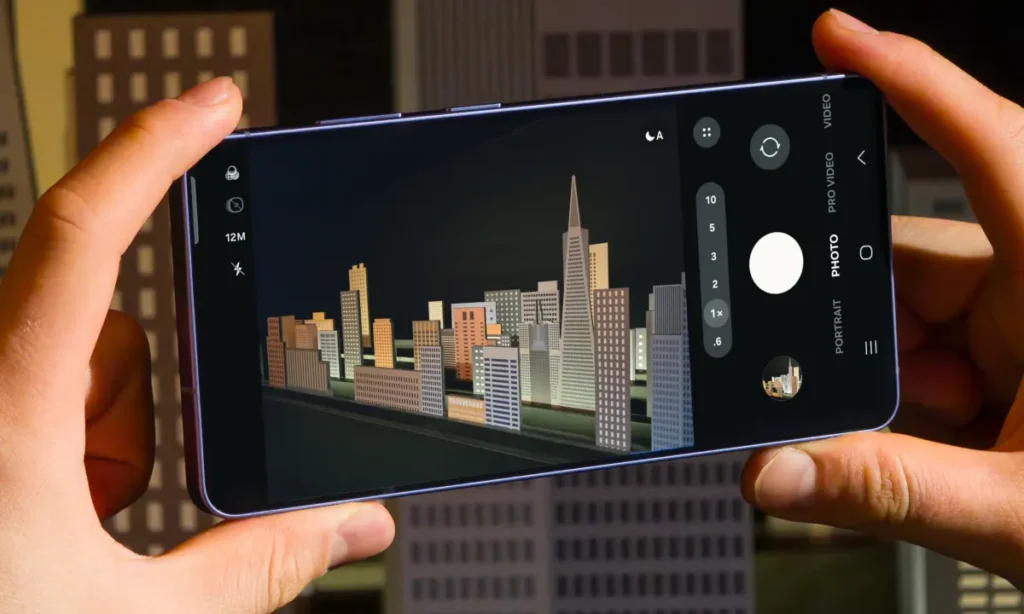
The Ultra is where the camera story gets interesting. The 200 MP main sensor now features a wider f/1.4 aperture, allowing up to 47% more light compared to the previous generation. The 50 MP telephoto lens at 5x optical zoom also opens up, letting in 37% more light. In practical terms, low-light shooting and zoomed shots in dim environments should look noticeably better, not just slightly better.
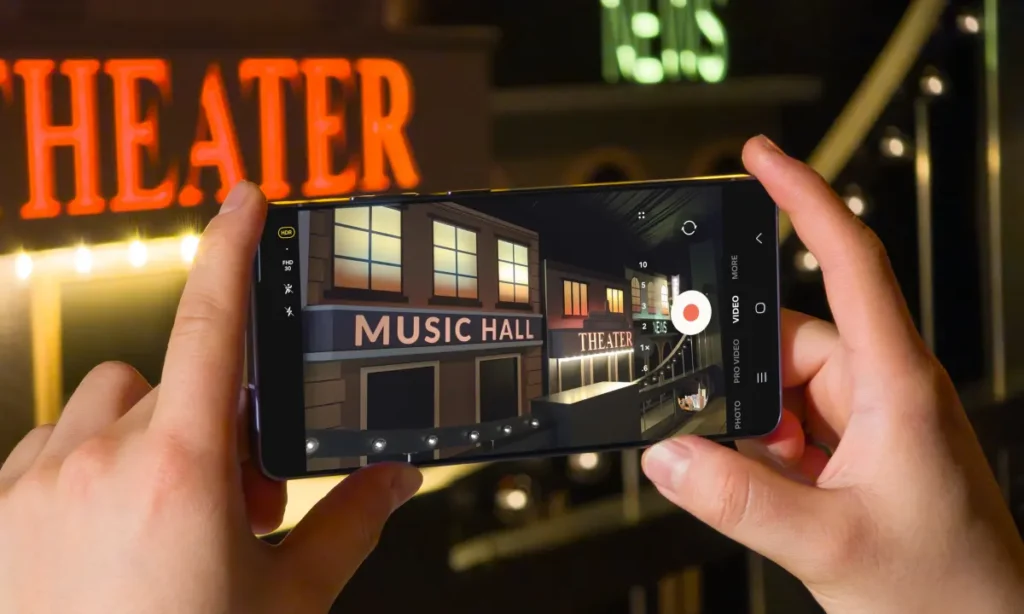
Samsung has also upgraded the front camera with AI ISP improvements that now handle skin tones and subject separation more accurately across different lighting conditions. The Object Aware Engine adds better depth understanding, which improves portrait shots without relying entirely on software tricks.
The Ultra is also the first Samsung phone to support APV, a professional video codec built for high-quality production workflows. It is designed to reduce quality loss during editing, which matters if you are cutting footage on a phone or exporting to a desktop editor.
Enhanced Stabilization now includes a horizontal lock mode for steadier handheld video, and Nightography improvements deliver clearer footage in dark environments. Audio Eraser, the feature that strips out background noise from video, now works with third-party apps including YouTube, Netflix, and Instagram.
Galaxy AI: Less Novelty, More Utility
Samsung introduced Now Nudge, a proactive suggestion system that surfaces relevant content based on context. If a contact mentions a trip and you have photos from that location, the phone can recommend them automatically. When a message about a meeting arrives, the phone checks your calendar for conflicts without being asked.
Now Brief, which debuted with One UI 7, has been updated to be more personalized and timely. It works as a lightweight daily briefing that pulls from your schedule, messages, and habits to surface what is most relevant at any given moment.
Photo Assistant now lets you describe edits in plain language. Want to shift a scene from daytime to night, reconstruct a missing piece of a subject, or swap out clothing details? You describe it and the system handles it. Edits are stackable and reversible, so you can step through changes or undo them without starting over.
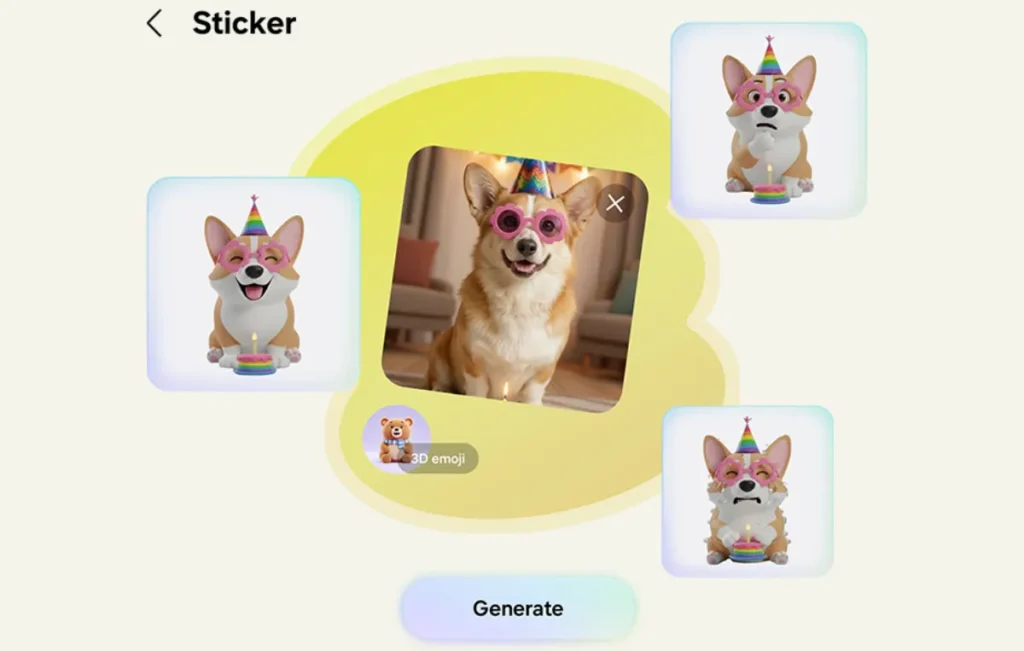
Creative Studio brings sketch-to-visual creation into a single workspace. You can start from a photo, a rough drawing, or a text prompt and work toward stickers, invitations, or backgrounds without leaving the app. Document Scanning now removes distortions and automatically compiles multiple scans into a single organized PDF. Screenshot Analyzer sorts your screenshots by category, such as shopping, events, or social media, and saves the source links.
Circle to Search picks up multi-object recognition on the S26 series, letting you analyze several elements of an image at once. Outfit identification is now possible in a single search pass, pulling jacket, shoes, and accessories simultaneously.
The series supports Bixby, Gemini, and Perplexity as configurable AI assistants. Each can complete tasks across apps, run searches, and adjust phone settings through natural voice or button interactions.
Security and Privacy: The Privacy Display Is the Big Headline
The Galaxy S26 Ultra introduces Privacy Display, a hardware-software feature that controls how pixels scatter light at the panel level. The screen remains fully visible and bright for the person holding the phone, but the viewing angle for people nearby is significantly reduced. There are two modes: Partial Privacy, which limits visibility of notification pop-ups, and Maximum Privacy, which darkens the full display for sensitive content.
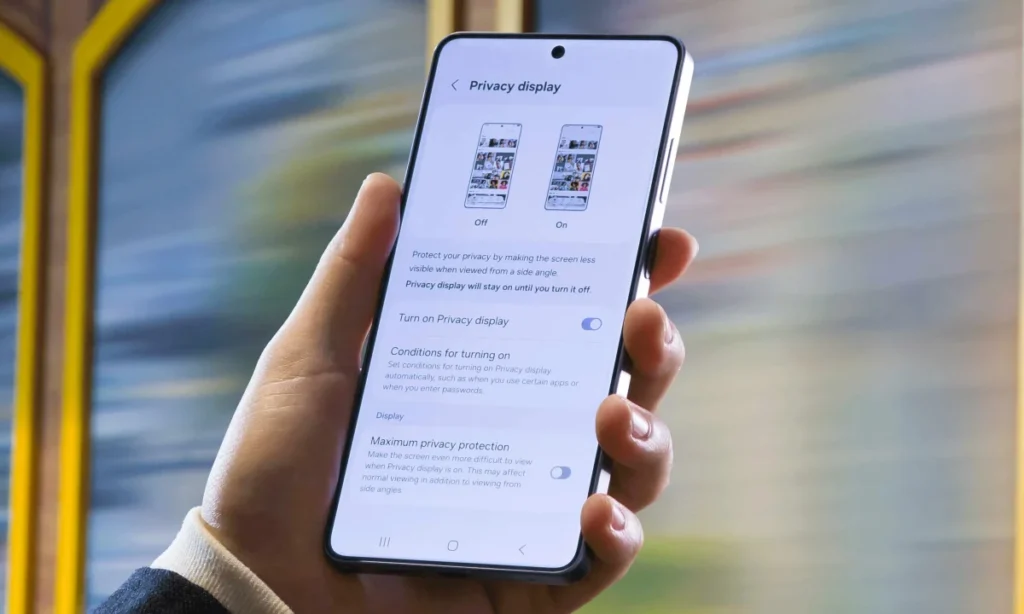
Unlike the privacy films you can buy separately for any phone, this version can be toggled on and off without affecting normal viewing. It is also application-aware, so it can activate automatically when you open banking apps or enter passwords. It is exclusive to the Ultra for now.
Across the full series, AI-powered Call Screen identifies unknown callers and summarizes their intent before you decide whether to answer. Privacy Alerts use machine learning to flag in real time when apps with device admin privileges attempt to access sensitive data including location, call logs, or contacts.
Private Album is built into the Gallery app and allows photos and videos to be hidden without requiring a separate folder or a Samsung account login. Samsung has extended post-quantum cryptography to critical system processes and updated Knox Matrix with PQC-enabled end-to-end encryption for direct transfers, including eSIM operations. The Device Security Health feature gives clearer visibility into firmware update status across your Samsung ecosystem.
The broader security stack includes the Personal Data Engine for on-device AI personalization, Knox Enhanced Encrypted Protection for per-app data encryption, and Knox Vault for hardware-isolated sensitive data. Auto Lock, Theft Protection, and Secure Wi-Fi round out the package.
Design: A Unified Look Across All Three Models
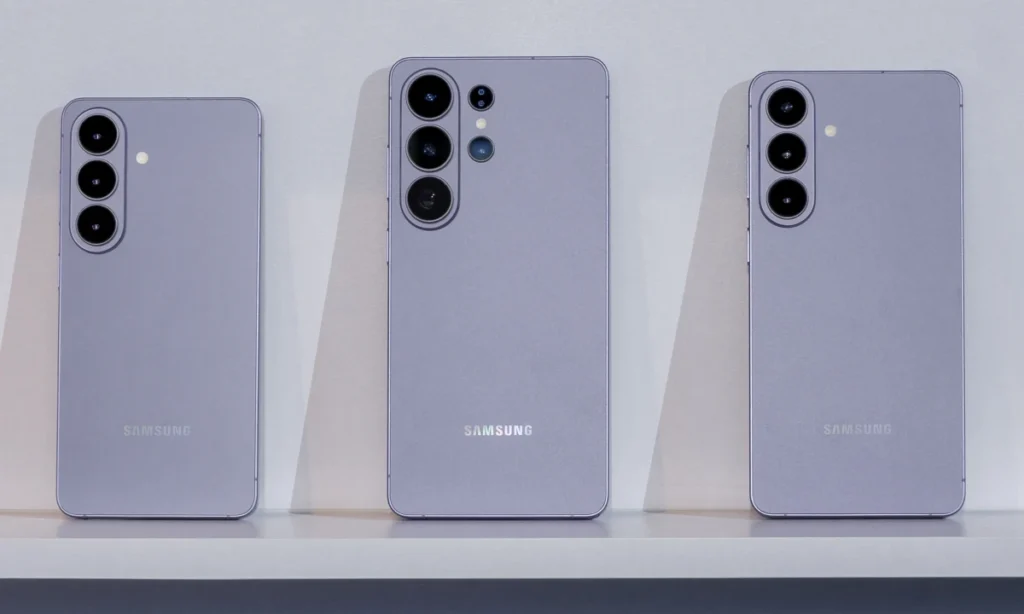
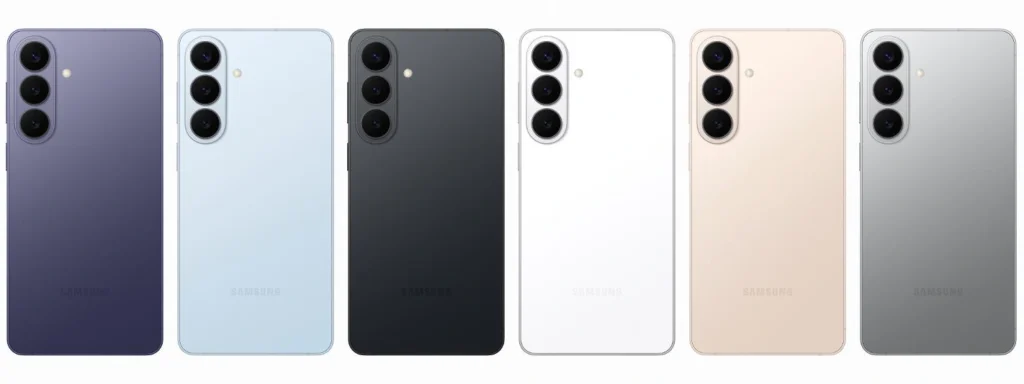
The S26 series adopts a consistent design language across all three models for the first time. The camera module shifts away from lenses set directly into the body and moves to a rounded island housing, arranged vertically in a layout that echoes what Samsung previewed on the Galaxy Z Fold 7. It is a cleaner look, and the matching color palette across all three models reinforces the family feel.
Available colors are Cobalt Violet, White, Black, and Sky Blue, with Pink Gold and Silver Shadow offered exclusively through the Samsung online store.
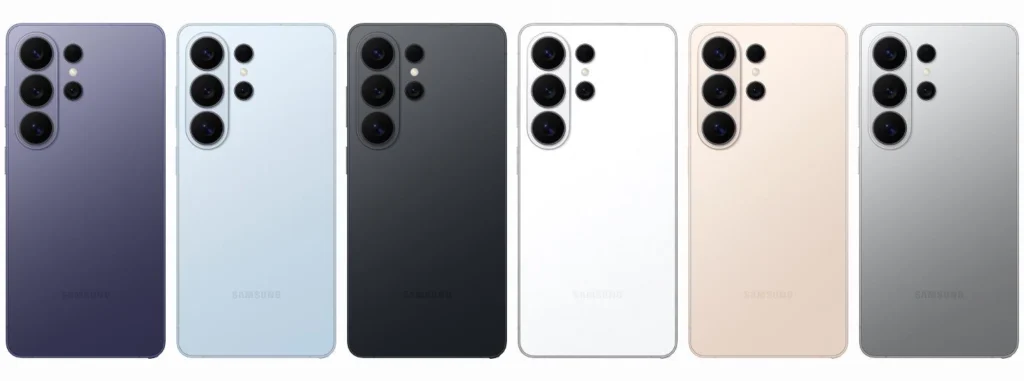
The Ultra swaps titanium for Armor Aluminum 3, which some will see as a downgrade and others as a reasonable trade-off for a thinner, lighter chassis. At 7.9 mm and 214 g, it is slimmer and lighter than the previous 8.2 mm and 218 g model. The front still uses Gorilla Armor 2 glass with anti-reflective treatment.
The base S26 grows slightly from its predecessor, with dimensions moving to 149.6 x 71.7 mm to accommodate the 6.3-inch display, and weight ticking up from 162 g to 167 g. The S26+ holds exactly the same dimensions as its predecessor. All three models carry IP68 certification for dust and water resistance.
Displays and Thermal Management
The S26 comes with a 6.3-inch Dynamic AMOLED 2X panel at Full-HD+ resolution. The S26+ and Ultra both use QHD+ panels at 6.7 inches and 6.9 inches respectively. All three support a variable 1 to 120 Hz refresh rate. Only the Ultra gets Gorilla Armor 2 on the front and S Pen support.
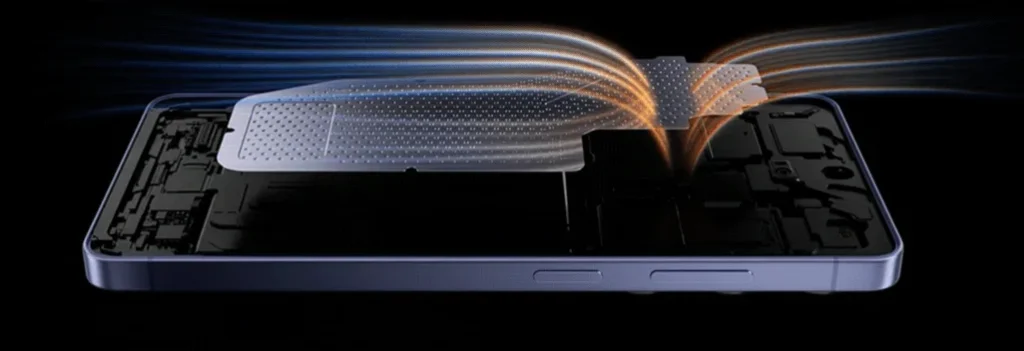
The Ultra also introduces a redesigned Multi-Channel Vapor Chamber with thermal interface material positioned along the sides of the processor. This spreads heat across a larger surface area, keeping the device cooler during extended gaming sessions, multitasking, and video recording. Samsung has also integrated ProScaler and the mobile Digital Natural Image engine directly into the processor for image scaling and color accuracy improvements.
Battery and Charging
The most notable battery change is on the base S26, which moves to a 4300 mAh cell. The S26+ carries a 4900 mAh battery, and the Ultra holds a 5000 mAh pack.
The Ultra’s charging speed gets a meaningful bump with 60W Super-Fast Charging 3.0, capable of reaching 75% charge in approximately 30 minutes. The S26 supports 25W wired charging, while the S26+ steps up to 45W. All three models include 15W or 25W wireless charging and Wireless PowerShare for reverse charging.
Full Technical Specifications
Samsung Galaxy S26
- 6.3-inch Dynamic AMOLED 2X display with Full-HD+ (2340 x 1080) resolution and a refresh rate of 1 to 120 Hz
- 2nm Exynos 2600 SoC
- 12 GB of RAM and 256 or 512 GB of internal memory
- triple rear camera with:
- 50 MP main sensor (f/1.8, 1.0 um, OIS)
- 12 MP ultra-wide-angle sensor (f/2.2, 1.4 um)
- 10 MP telephoto lens (f/2.4, 1.0 um, 3x optical zoom)
- 12 MP front camera (f/2.2, 1.12 um)
- 5G connectivity, Wi-Fi 7, GPS, NFC, Bluetooth 5.4 and USB Type-C port
- IP68 certification against water and dust
- 4300 mAh battery with 25W Super Fast Charging, 15W Fast Wireless Charging 2.0 and Wireless PowerShare
- Android 16 with One UI 8.5
- Dimensions and weight: 149.6 x 71.7 x 7.2 mm, 167 g
Samsung Galaxy S26+
- 6.7-inch Dynamic AMOLED 2X display with QHD+ (3120 x 1440) resolution and a 1 to 120 Hz refresh rate
- 2nm Exynos 2600 SoC
- 12 GB of RAM and 256 or 512 GB of internal memory
- triple rear camera with:
- 50 MP main sensor (f/1.8, 1.0 um, OIS)
- 12 MP ultra-wide-angle sensor (f/2.2, 1.4 um)
- 10 MP telephoto lens (f/2.4, 1.0 um, 3x optical zoom)
- 12 MP front camera (f/2.2, 1.12 um)
- 5G connectivity, Wi-Fi 7, GPS, NFC, Bluetooth 6.0 and USB Type-C port
- IP68 certification against water and dust
- 4900 mAh battery with 45 W Super Fast Charging 2.0 , 25 W Super Fast Wireless Charging 2.0 and Wireless PowerShare
- Android 16 with One UI 8.5
- Dimensions and weight: 158.4 x 75.8 x 7.3 mm, 190 g
Samsung Galaxy S26 Ultra
- 6.9-inch Dynamic AMOLED 2X display with QHD+ (3120 x 1440) resolution , 1 to 120 Hz refresh rate, and S Pen support
- Qualcomm Snapdragon 8 Elite Gen 5 for Galaxy 3nm SoC
- 12 or 16 GB of RAM and 256, 512 GB or 1 TB of internal storage
- quad rear camera with:
- 200 MP main sensor (f/1.4, 0.6 um, OIS)
- 50 MP ultra-wide-angle sensor (f/1.9, 0.7 um)
- 10 MP telephoto lens (f/2.4, 1.12 um, 3x optical zoom, OIS)
- 50 MP telephoto lens (f/2.9, 0.7 um, 5x optical zoom, OIS)
- 12 MP front camera (f/2.2, 1.12 um)
- 5G connectivity, Wi-Fi 7, GPS, NFC, Bluetooth 6.0 and USB Type-C port
- IP68 certification against water and dust
- 5000 mAh battery with 60 W Super Fast Charging 3.0 , 25 W Super Fast Wireless Charging 2.0 and Wireless PowerShare
- Android 16 with One UI 8.5
- Dimensions and weight: 163.6 x 78.1 x 7.9 mm, 214 g
Seven Years of Updates, and What That Actually Means
Samsung is again committing to seven years of OS and security updates for the S26 series. For a phone purchased at this price point, that guarantee matters. It means the device you buy in 2026 should still be receiving patches and feature updates into 2033, which puts it on par with Apple’s typical support window.
The Galaxy S26 series is available for pre-order now in Cobalt Violet, White, Black, and Sky Blue, with Pink Gold and Silver Shadow available exclusively through Samsung’s online store.
The Bigger Picture
The S26 series does not reinvent the flagship phone. What it does is tighten everything that was already working: better low-light photography on the Ultra, a more coherent design language across the lineup, faster charging where it was needed, and AI features that are aimed at reducing the number of steps between intention and outcome.
The chipset split between Exynos and Snapdragon remains a legitimate concern for buyers in affected regions, particularly for those who closely follow benchmark comparisons. Samsung has not addressed this gap publicly, and it continues to be one of the more frustrating aspects of the global rollout strategy.
If you are choosing between the three models, the Ultra still justifies the premium for camera versatility and the new Privacy Display alone. The S26+ offers a larger screen and faster charging than the base model at a reasonable step up in price. The base S26 is the most portable of the three and will suit most people who do not need the Ultra’s camera or S Pen.
Galaxy S26 Series Pricing Breakdown
Galaxy S26
- 12GB + 256GB: $899.99
- 12GB + 512GB: $1099.99
Galaxy S26+
- 12GB + 256GB: $1099.99
- 12GB + 512GB: $1299.99
Galaxy S26 Ultra
- 12GB + 256GB: $1299.99
- 12GB + 512GB: $1499.99
- 16GB + 1TB: $1799.99