News
Not All Samsung Phones Play Nice with Third-Party Trackers

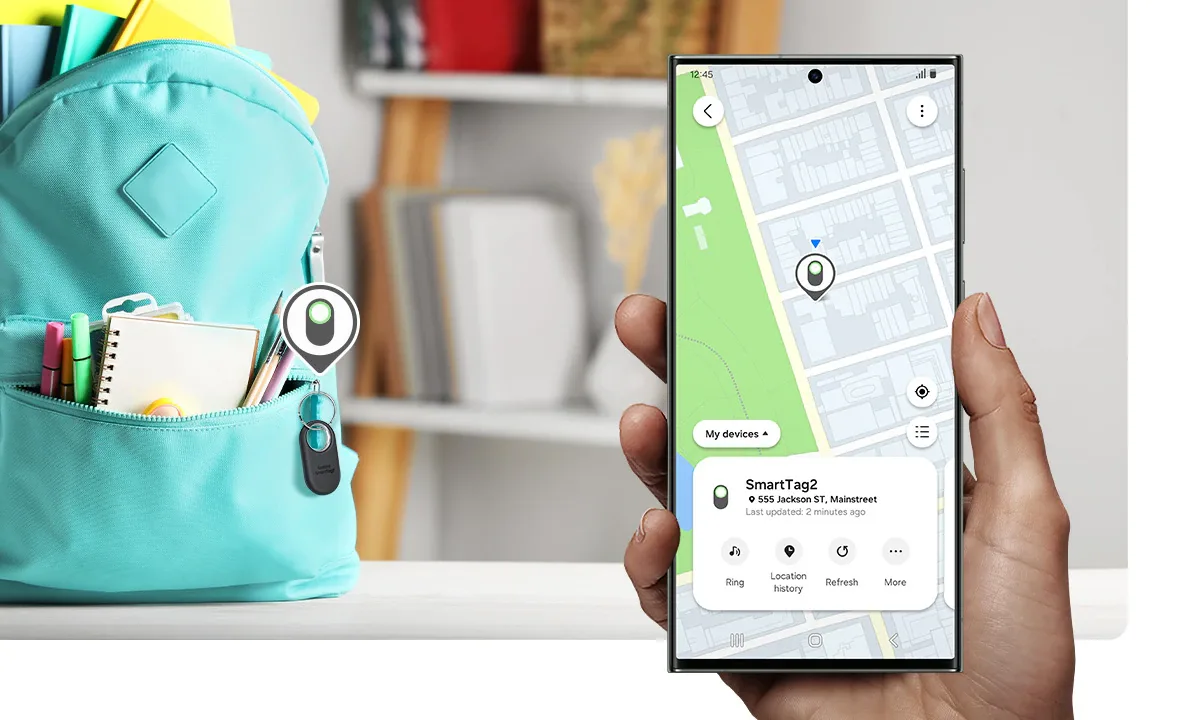
Ultra-wideband technology has quietly become the backbone of precision tracking. Apple AirTags and Google’s Find My Device network rely on it. The hardware itself is straightforward—a chip, antennas, firmware. What matters is whether the manufacturer lets it work as intended.
A Samsung Galaxy S24 Ultra owner recently dug into his device and found something odd. The phone uses the same Qualcomm QBT4000 UWB chip as the Pixel 8 Pro and iPhone 15 Pro. Everything is physically there. But Samsung appears to be limiting what it can do.
According to Reddit user Luciano Toscano, the S24 Ultra only activates full UWB features when it detects a Samsung SmartTag. With third-party trackers like Moto Tag, the phone allegedly switches to a stripped-down “UWB Lite” mode. That means no precision finding, no augmented reality arrows pointing you toward your keys.
The claim is specific but not universal. Other users report that Moto Tag works fine on their Samsung devices, which raises questions about whether this is a selective restriction, a bug, or something tied to certain firmware versions.
If Samsung is intentionally hobbling UWB for non-Samsung accessories, it’s a familiar move in the hardware world. Locking down features to favor your own ecosystem isn’t new, but it does undermine the open interoperability that UWB tracking was supposed to enable.
Samsung hasn’t commented. Until they do, it’s unclear whether this is policy, accident, or user error. But the fact that the question exists at all suggests the company has some explaining to do.