News
Samsung Says Chip Supply Will Struggle to Keep Up with Demand

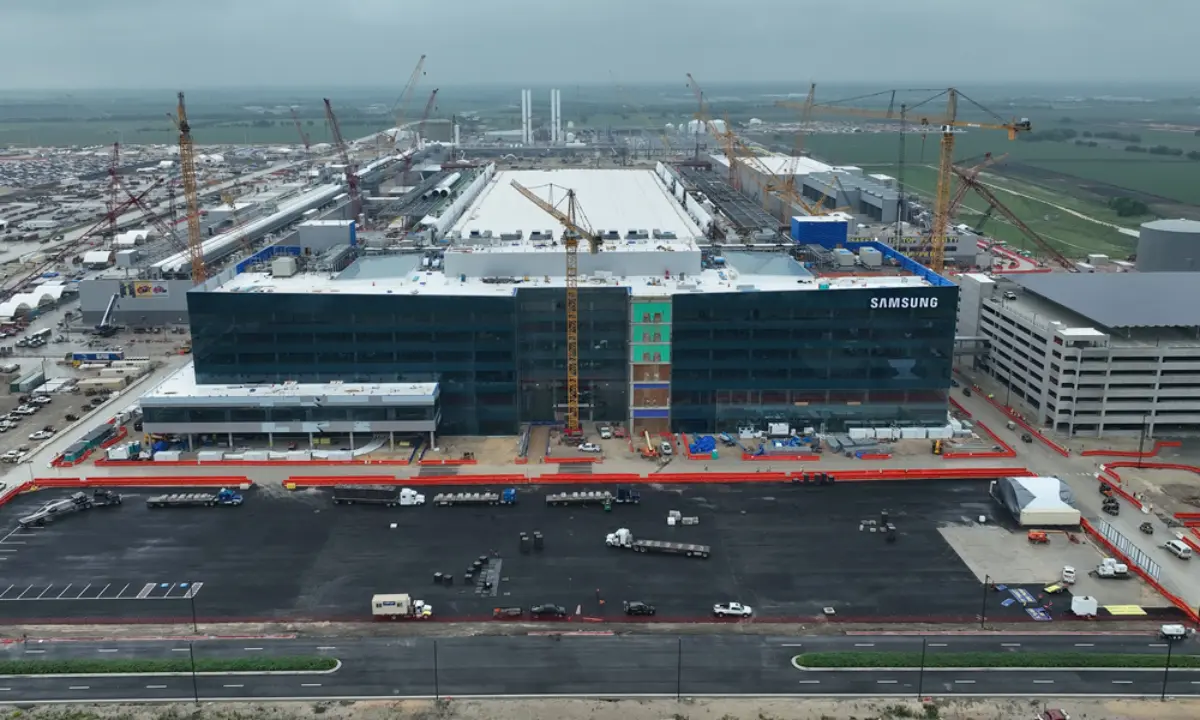
Anyone hoping the global memory crunch would ease up soon is going to be disappointed. Samsung has made it clear that the gap between supply and demand is not closing anytime soon, and the pressure from AI investment is a big reason why.
The Korean giant, which sits on both sides of this equation as both a chip manufacturer and a device maker, posted record revenues last quarter. Its semiconductor division alone saw a 49-fold increase in earnings, a figure that says everything about where the money is flowing right now.
According to Reuters, Samsung has warned that memory module availability is expected to fall significantly over the next year. New players entering the AI space are aggressively competing for the same components, pushing prices up and stretching supply chains that were already running thin.
Samsung has reportedly signed binding multi-year contracts with select customers to guarantee them access to memory supplies, though the company has not named those partners or disclosed any terms.
What makes this more than a short-term headache is the timeline for fixing it. Building new fabrication facilities takes years, not months. So even as demand for AI infrastructure continues climbing through 2026 and into 2027, production capacity cannot simply be switched on to match it. Samsung itself acknowledged that the supply-demand gap is expected to widen further by 2027.
For smartphone makers, component buyers, and consumers, that means higher costs are not going away quietly.