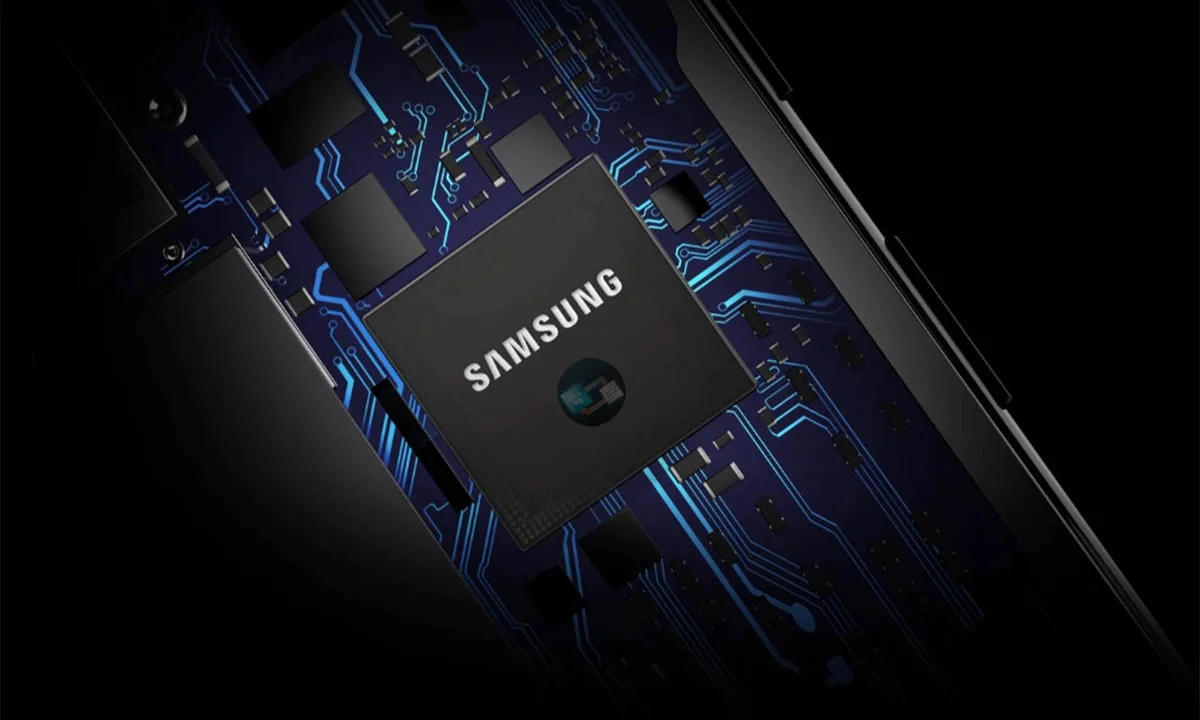
Samsung’s Galaxy S series flagship phones have often used two types of processors: its own Exynos chips in some regions and Qualcomm’s Snapdragon in others. Due to criticism over performance and efficiency, the company switched completely to Snapdragon 8 Elite in all regions for the S25 Ultra.
Meanwhile, a lot has happened over the years in Samsung’s chipset strategy, with shifts, experiments, and criticism along the way. So, let’s have a quick recap of how the Korean tech giant approach for its flagship phones has evolved and what we can expect for the upcoming Galaxy S26 series.
Galaxy S20 and S21 Series: The Early Years
The Galaxy S20 series, released in 2020, had the Exynos 990 in Europe, India, and other regions, while the Snapdragon 865 powered phones in the USA and China. This pattern continued with the S21 series in 2021, which used Exynos 2100 in most regions and Snapdragon 888 in the USA and China. Exynos chips improved slightly but were still not as fast or efficient as Snapdragon.
Galaxy S22: Performance Concerns Grow
The S22 series in 2022 featured Exynos 2200 in Europe and India and Snapdragon 8 Gen 1 in select markets. Exynos 2200 faced criticism not only for lower performance and battery life but also for throttling and overheating issues compared to Snapdragon. Samsung switched things up with the S23 in 2023, using Snapdragon 8 Gen 2 globally, without any Exynos version.
Galaxy S24 and S25: The Changing Strategy
For the Galaxy S24 series, Exynos returned in the base and Plus models in some regions, while the Ultra model had Snapdragon worldwide. Samsung partly reintroduced Exynos to reduce costs in certain markets, but performance concerns remained.
By the Galaxy S25 series, the company reportedly switched to Snapdragon in all regions, as Exynos 2500 faced production challenges and continued criticism for lower performance, throttling, and overheating. This change shows Samsung prioritizing performance and user satisfaction while addressing past Exynos shortcomings.
Upcoming Galaxy S26 Phones: Rumors and Reports
The Samsung Galaxy S26 series, expected in early 2026, is generating chip-related buzz on social media and tech sites. Reports suggest a mixed strategy, with Snapdragon 8 Elite Gen 5 powering most models globally, while Exynos 2600 may appear only in regions like South Korea and Europe.
SamMobile notes Exynos could power the S26 and S26+ in some markets, with Snapdragon reserved for Ultra models in the US, Japan, and China. Leaks suggest some Exynos might be widely used, while others expect Snapdragon to dominate high-end units.
Tipsters like Digital Chat Station point out varying expectations across regions, and commentators on X have both views. Regulatory filings list the Galaxy S26 Ultra with Snapdragon 8 Elite Gen 5 in many markets, reinforcing a Snapdragon-first strategy for the top model.
Criticism of Exynos Chips
Over the years, Samsung has faced criticism for using Exynos chips as a cost-saving measure. While this reduces expenses in certain regions, Exynos processors are powerful enough but less efficient and prone to throttling and overheating compared to Snapdragon. Many users and reviewers report noticeable differences in performance, battery life, and thermal management between Exynos and Snapdragon variants.
Industry experts feel Samsung should focus on refining and optimizing its chip-making process rather than repeatedly releasing versions that lag behind. Continued underperformance risks damaging the brand’s reputation and user trust, making it crucial for Samsung to improve Exynos if it wants to compete with Snapdragon globally.
Looking Ahead
As we look toward the Galaxy S26 series, Samsung’s dual-chipset approach seems likely to continue. While Snapdragon will dominate most regions, Exynos may still appear in select markets, potentially reigniting concerns over performance, battery life, and overheating.
How Samsung manages its Exynos strategy will be crucial for tech fans, reviewers, and power users, as repeated underperformance in the past could affect the brand’s reputation. Improving Exynos efficiency and consistency is vital for the company to compete with Qualcomm and maintain trust. Ultimately, the next few releases will show whether Exynos can finally match Snapdragon or remain a weaker alternative, shaping Samsung’s flagship strategy for years to come.