News
Samsung’s Galaxy S26 Ultra Has a Brightness Problem It Can’t Fully Dismiss

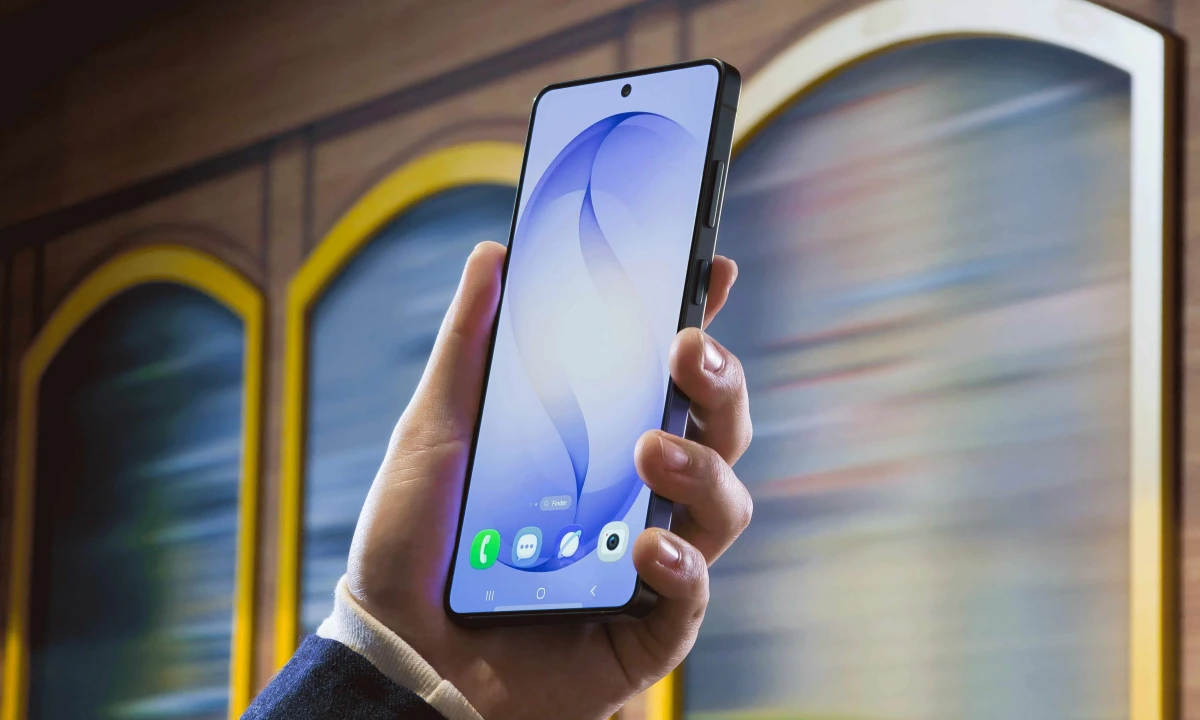
The Galaxy S26 Ultra ships with a Privacy Display feature that physically restricts how light travels off the screen, making it harder for anyone beside you to read your content. It’s a clever idea on paper. In practice, it’s causing a headache Samsung is only now beginning to address publicly.
Multiple reviewers and early buyers noticed the screen looked dimmer than the S25 Ultra, particularly at higher brightness levels and off-angle views. Samsung has since confirmed to TechRadar that yes, “some variation will be seen when the phone is held at certain angles and when set to maximum brightness.” The company insists the impact on everyday use is “negligible,” but that framing deserves some scrutiny.
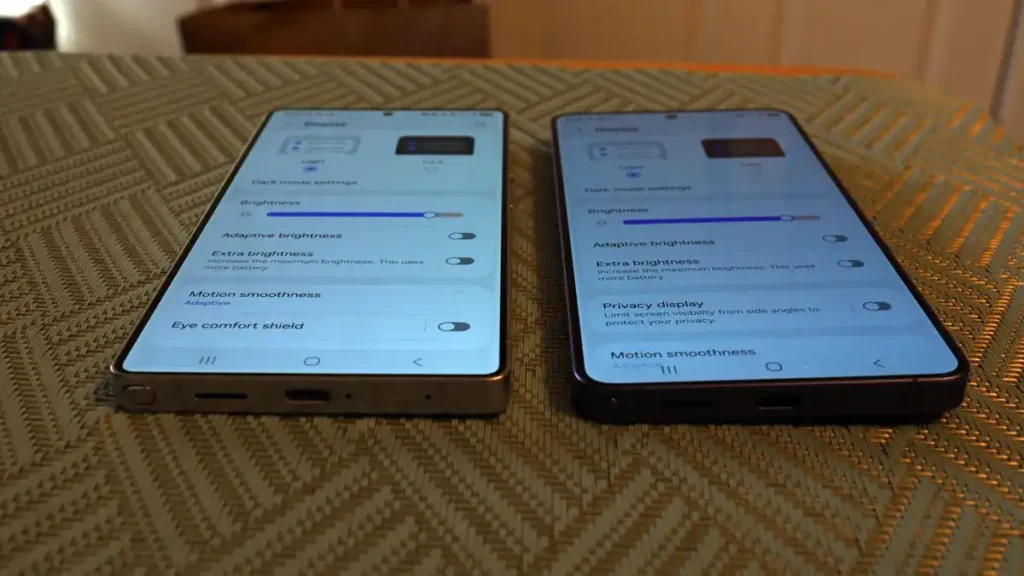
The technology works by splitting the display into narrow and wide pixels. Privacy Display activates only the narrow ones, cutting off-axis light. Turn the feature off, and both pixel types work together for a standard viewing experience. The problem is that even in normal mode, the dual-pixel architecture appears to affect brightness in ways that users are noticing.
Calling the difference “negligible” is a stretch when the feedback from real-world users has been consistent enough to prompt an official statement in the first place. If it were truly negligible, Samsung probably would not need to explain it.
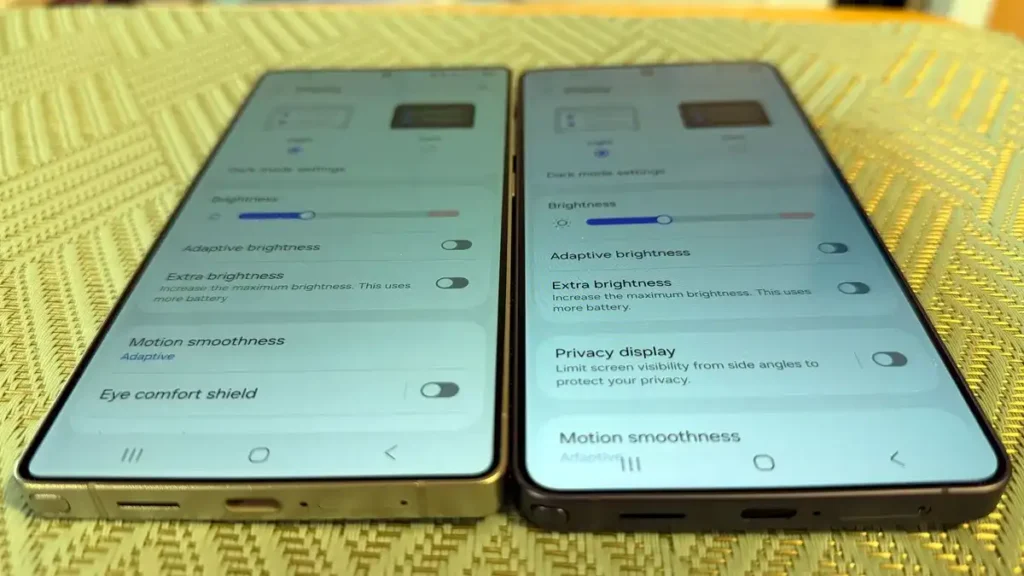
The dimming is reportedly less noticeable at lower brightness settings, which means most indoor use cases may be fine. But for anyone who regularly uses their phone outdoors at full brightness, the trade-off becomes real.
Privacy Display solves a genuine problem. Shoulder-surfing is annoying and sometimes genuinely risky. The question is whether Samsung has calibrated this feature well enough that users are not quietly paying a brightness tax they did not agree to.